What to check before you ride an ATV quad bike in Dubai
Booking an atv quad bike dubai experience is usually the easy part. The useful work happens before payment, when a few careful checks can turn a vague desert plan into a ride that matches your abilities, schedule and comfort level. Dubai riding options can differ widely, so it pays to look past the headline and understand what is actually included.
Start with the rider, not the machine. A quad bike is not the same as a buggy or a passenger vehicle, and control depends on body position, balance and steady inputs. If someone in the group has never ridden, say so at the time of booking and ask whether the pace suits beginners. A guided tour can make the outing more structured, but it still helps to know whether the route includes open sand, firm tracks or stretches where riders must follow closely.
Confirm the riding format
The first practical check is the type of ride being offered. Some outings focus on a short introduction in a controlled area, while others include a longer route across desert terrain. The phrase atv quad bike dubai can cover very different experiences, so ask what the session involves from start to finish. A clear description should mention riding time, the general route style, whether there are stops and whether the pace is set by the group or by the rider.
Also check whether each person gets a separate bike or whether sharing is expected. Sharing may suit some pairs, but it changes the experience and can affect comfort, control and time on the bike. If you want independent riding, make that clear before the day is set. Ask about group size too. A smaller group often means less waiting and more room to settle into the ride, while a larger group may move at a fixed pace.
Check the bike and the safety setup
Quad bike types matter because a machine that feels manageable for one rider can feel heavy or abrupt for another. Ask what class of bike is used and whether options are available for different experience levels. You do not need technical specifications to ask sensible questions. Find out whether the bike is automatic, what size range is offered and whether the rider is given a short orientation before departure.
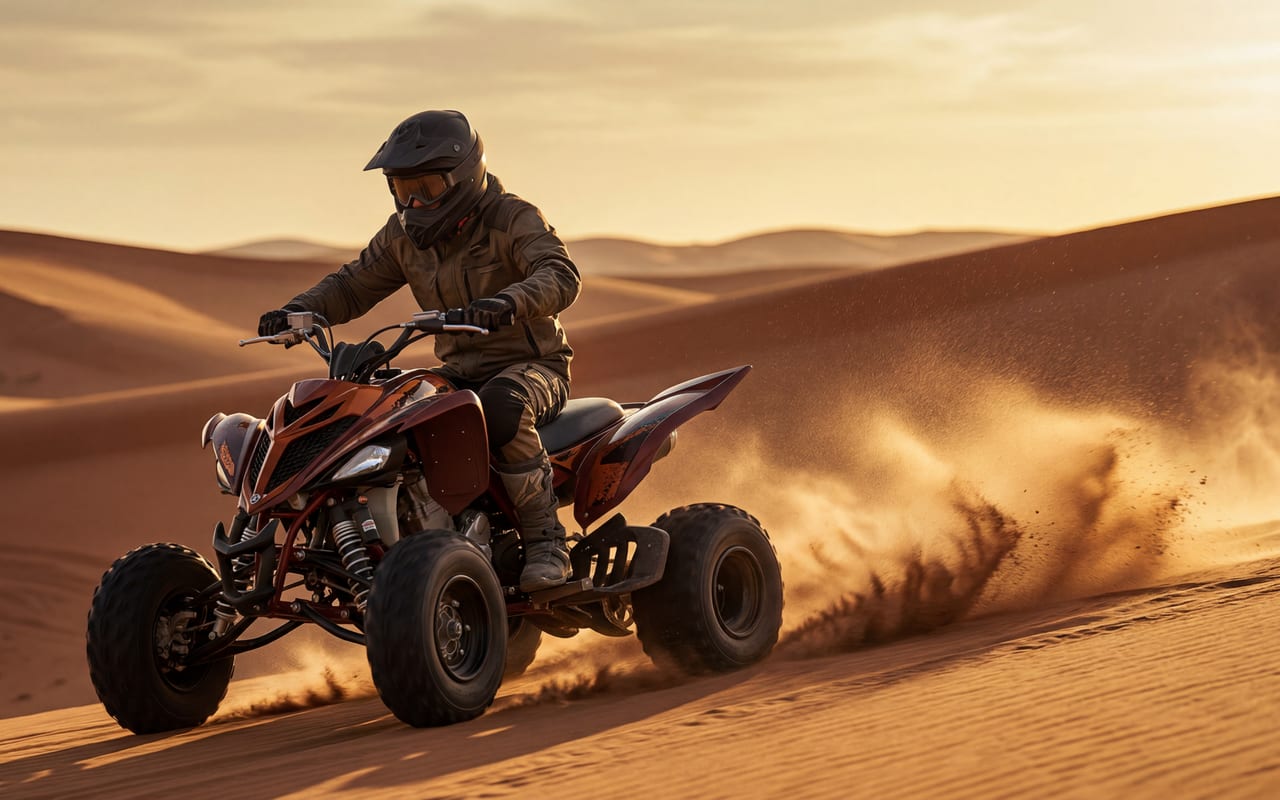
Safety gear deserves the same attention. Confirm that helmets are provided and that they fit properly. A loose helmet can shift at the wrong moment, while one that is too tight can be a distraction. Gloves, goggles or eye protection can help with sand, wind and grip, especially in open desert. Closed toe footwear and comfortable trousers are sensible choices. Avoid loose clothing or accessories that could catch on the bike.
It is also worth asking how safety is handled during the ride. Will there be a lead rider and a rear rider? Are hand signals explained before departure? What happens if someone wants to stop? Clear answers suggest a structured approach, while vague answers may mean the day depends too much on guesswork.
Look closely at the route and terrain
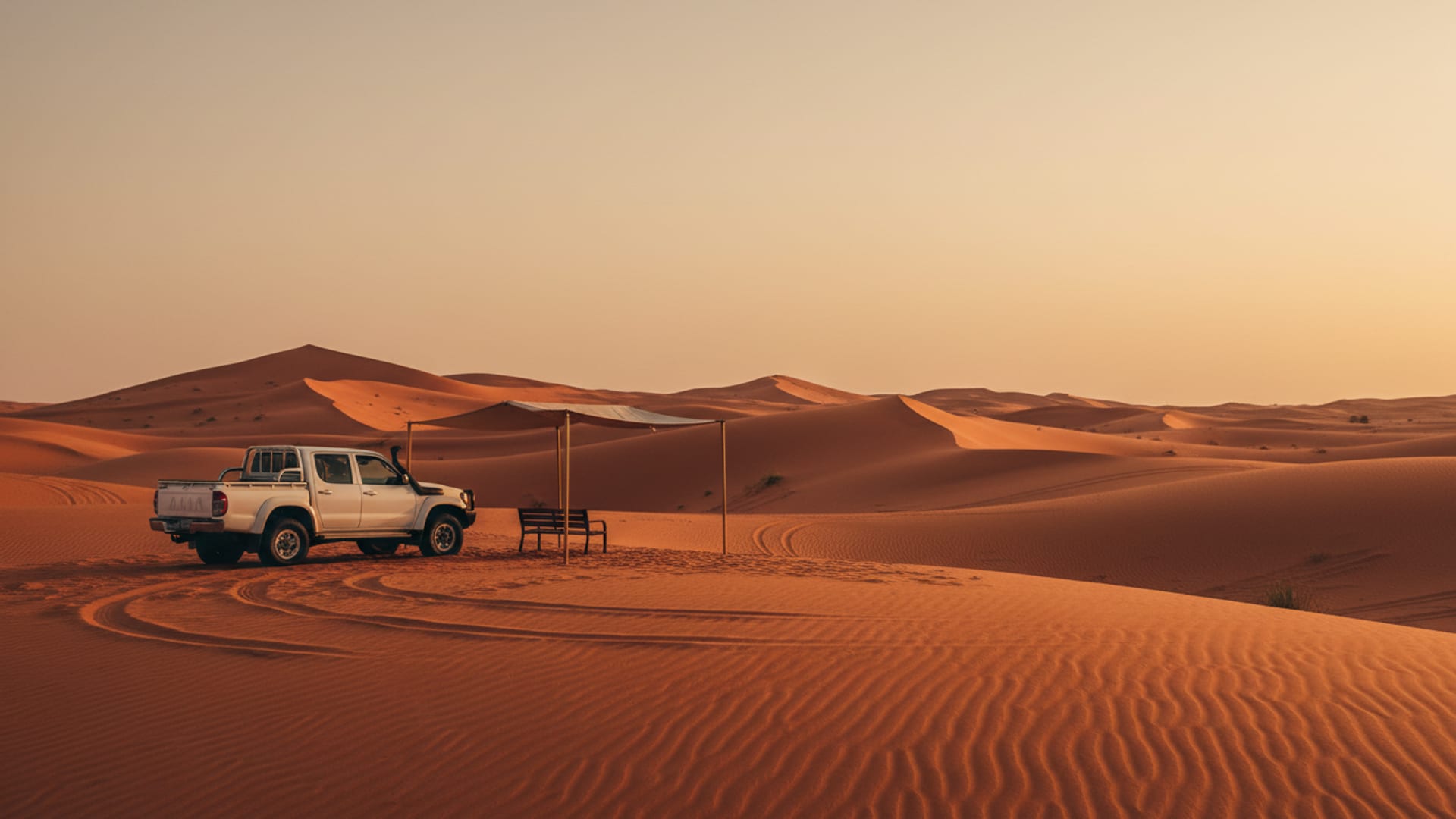
Desert terrain changes the feel of the ride. Flat packed sand is easier to read than soft dunes, and a sand dune can demand more balance and patience than many first time riders expect. Ask whether the route includes dunes, rocky ground, narrow paths or open areas. If the plan includes dune bashing, remember that this is a different driving style and may not be suitable for everyone.
Check whether the route is guided on familiar tracks or changes with conditions. A flexible route can be useful when wind or recent traffic has changed the sand, but it should still have clear boundaries. Ask how riders are kept together and what the plan is if the group separates. These details matter more than a dramatic route description.
Speed limits are another practical point. A good ride does not have to be fast to be memorable. Beginners often benefit from a calm pace and space to practise braking, steering and weight shift. More experienced riders may want a longer stretch with fewer stops. Since mixed groups often set a shared pace, ask what happens if riders have different skill levels.
Read the timing and meeting details
Time of day changes both comfort and visibility. Midday heat can make even a short ride tiring, while late afternoon light can be more pleasant but more popular. Ask for the exact meeting time, the start time and the expected finish time. Treat these as separate details. Arrival, paperwork, safety briefing and waiting can all sit between booking and actually riding.
Ask where participants meet and how the location is identified. Desert meeting points can be confusing, especially when several vehicles and groups are in the same area. A clear meeting arrangement reduces stress before the ride begins. If transport is mentioned, confirm whether it is part of the booking or simply an optional way to reach the area.
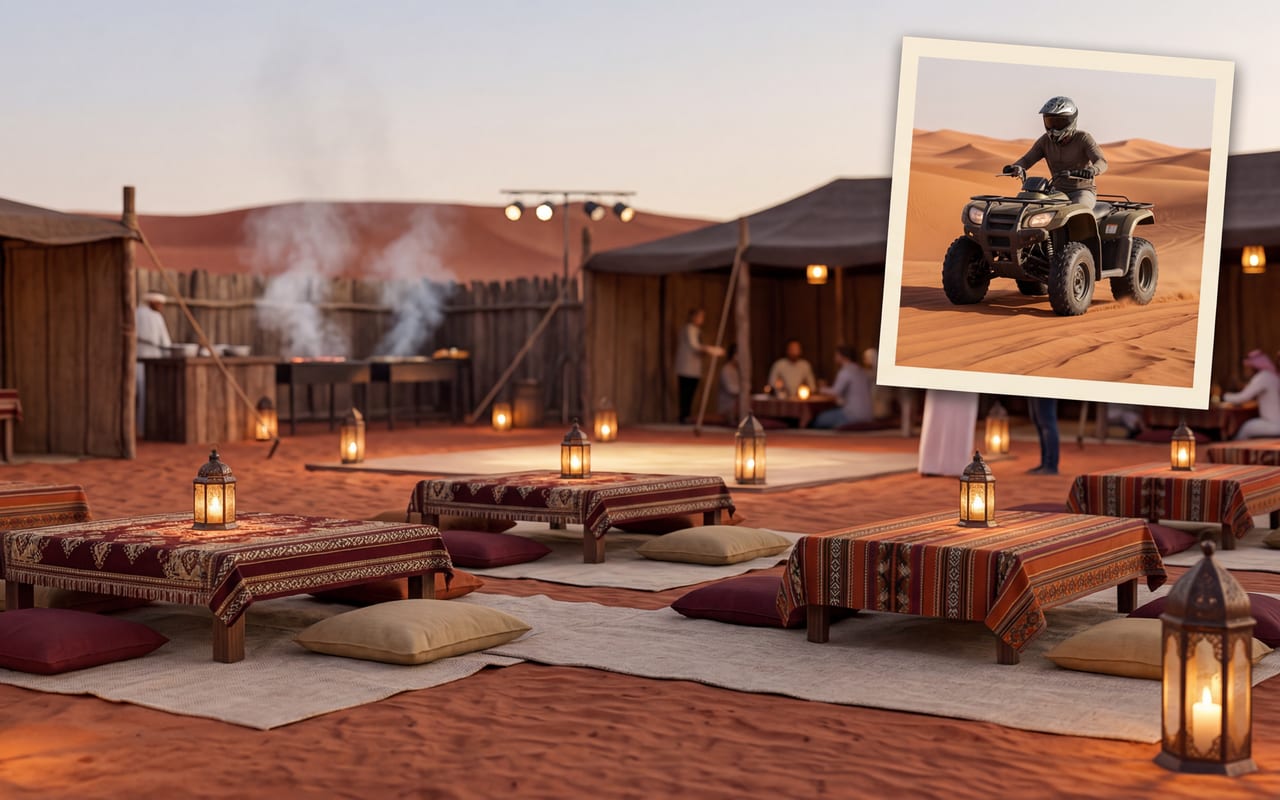
When comparing options, keep notes in one place. A quick look at atvdubaidesert.com may help with the name and general subject while you organise your questions, but the real decision should come from clear answers about the ride itself. Check whether the booking covers the session you expect, not just a similar sounding activity.
Understand the booking terms before paying
Before committing, confirm what happens if plans change. Ask about rescheduling, cancellations and late arrival in plain terms. The aim is not to find a perfect answer for every situation, but to avoid surprises. A booking that looks simple on the surface may have conditions that matter if travel plans shift.
Ask what is included and what is not. This should cover the ride, safety equipment, guiding, water, transport and any entry or access requirements that may apply. Keep the list practical. If something is essential for you, such as a particular start time or a beginner friendly pace, confirm it before payment rather than assuming it is standard.
Health and mobility are private matters, but they can affect the right choice. If a rider has a back problem, limited mobility, a heart condition or any other concern, it should be raised before the booking is confirmed. Riding involves vibration, balance and sudden small movements. A qualified medical professional is the right source for advice about whether an activity is suitable for a specific condition.
Weather can also shape the day. Windblown sand may reduce visibility, and heat can make longer sessions uncomfortable. Ask whether the operator has a stated approach to poor conditions and what riders should do if the ride is paused. Clear communication on this point is a better sign than promises that every session will run exactly as planned.
Match the choice to the rider
The best booking is not always the longest or the most adventurous. It is the one that fits the rider. A first timer may value patient instruction and a short, calm route. Someone comfortable with quad bikes may care more about route variety and time on the machine. Families and mixed groups should think about the slowest or least confident rider, because that usually sets the tone for everyone.
Use a short set of questions before you decide:
- Is the ride suitable for the least experienced rider in the group?
- What safety gear is provided, and how is fit checked?
- What terrain and pace should be expected?
- What happens if weather or group pace changes the plan?
- Which parts of the booking are fixed, and which can be adjusted?
Good preparation keeps the day simple. You arrive with the right clothing, realistic expectations and aclear understanding of what the session involves. That leaves more attention for the parts that matter during the ride: listening to instructions, reading the sand and staying comfortable within your limits.
An atv quad bike dubai outing can be straightforward when the basics are checked early. Take time to compare the riding format, safety setup, route, timing and booking terms. The goal is not to overthink the experience, but to choose well before the engine starts. A little care at the booking stage helps the actual ride feel easier, safer and more enjoyable.